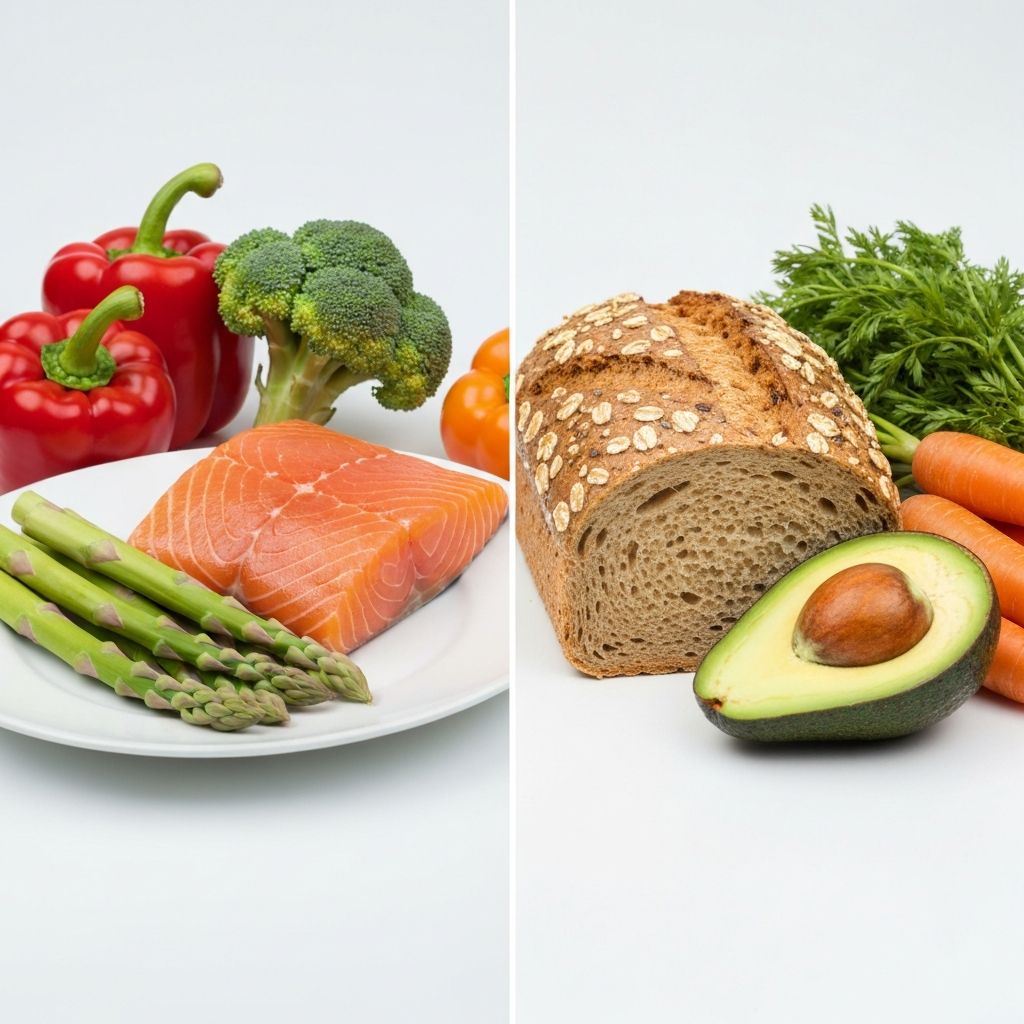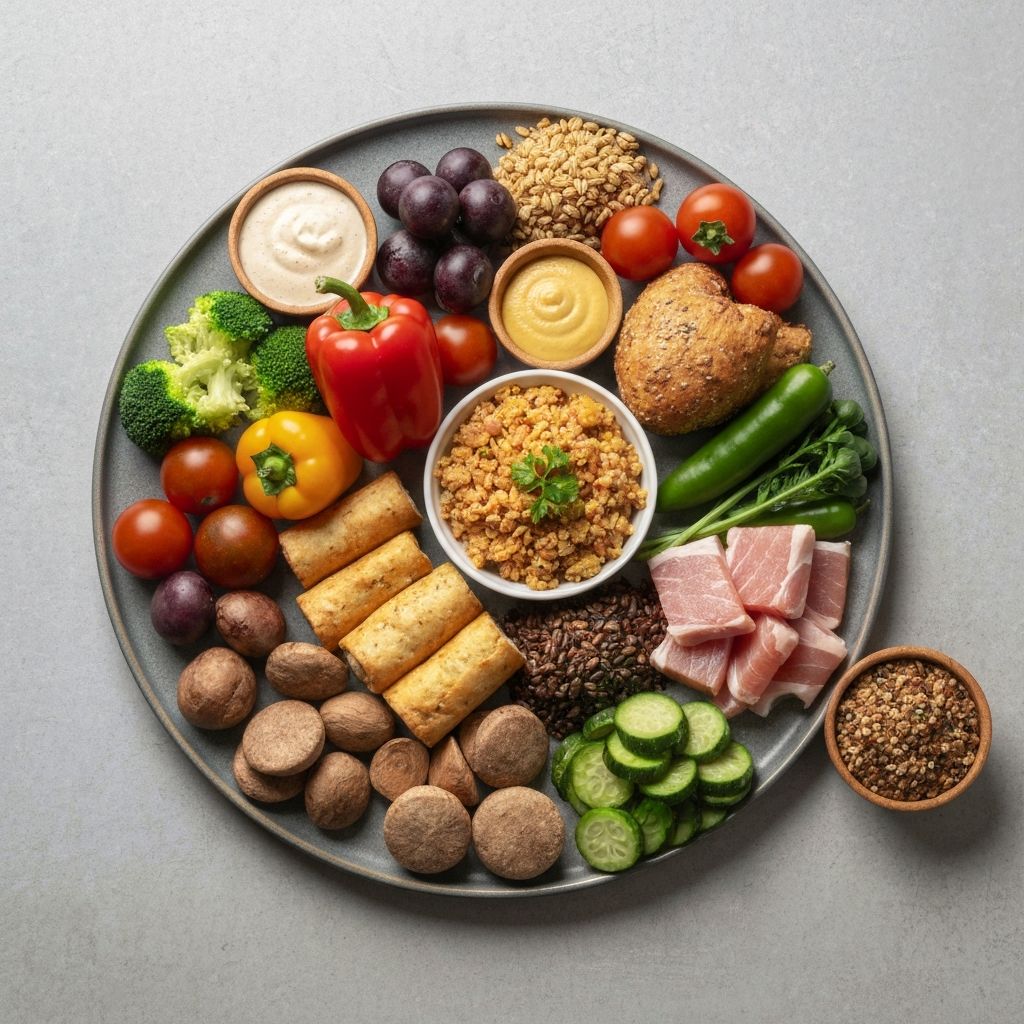
Diverse whole foods arrangement

Exploring Body Weight Dynamics: Perspectives from Nutrition Research

Understanding the science behind nutrition, metabolism, and how our bodies process energy

Core Principles of Metabolism

Human metabolism encompasses the complex biochemical processes through which our bodies convert food into energy and building materials. At the foundation of metabolic science lies the concept of energy balance—the relationship between energy intake through food and energy expenditure through basal metabolic functions and physical activity.

The basal metabolic rate (BMR) represents the amount of energy required to maintain essential physiological functions at rest: maintaining body temperature, supporting organ function, producing hormones, and synthesizing proteins. This baseline energy requirement varies significantly between individuals based on factors such as age, sex, body composition, genetics, and health status.

Beyond basal energy needs, the body expends energy through physical activity and the thermic effect of food—the energy required to digest, absorb, and process nutrients. Understanding these components provides a foundation for comprehending how nutritional choices influence metabolic responses.
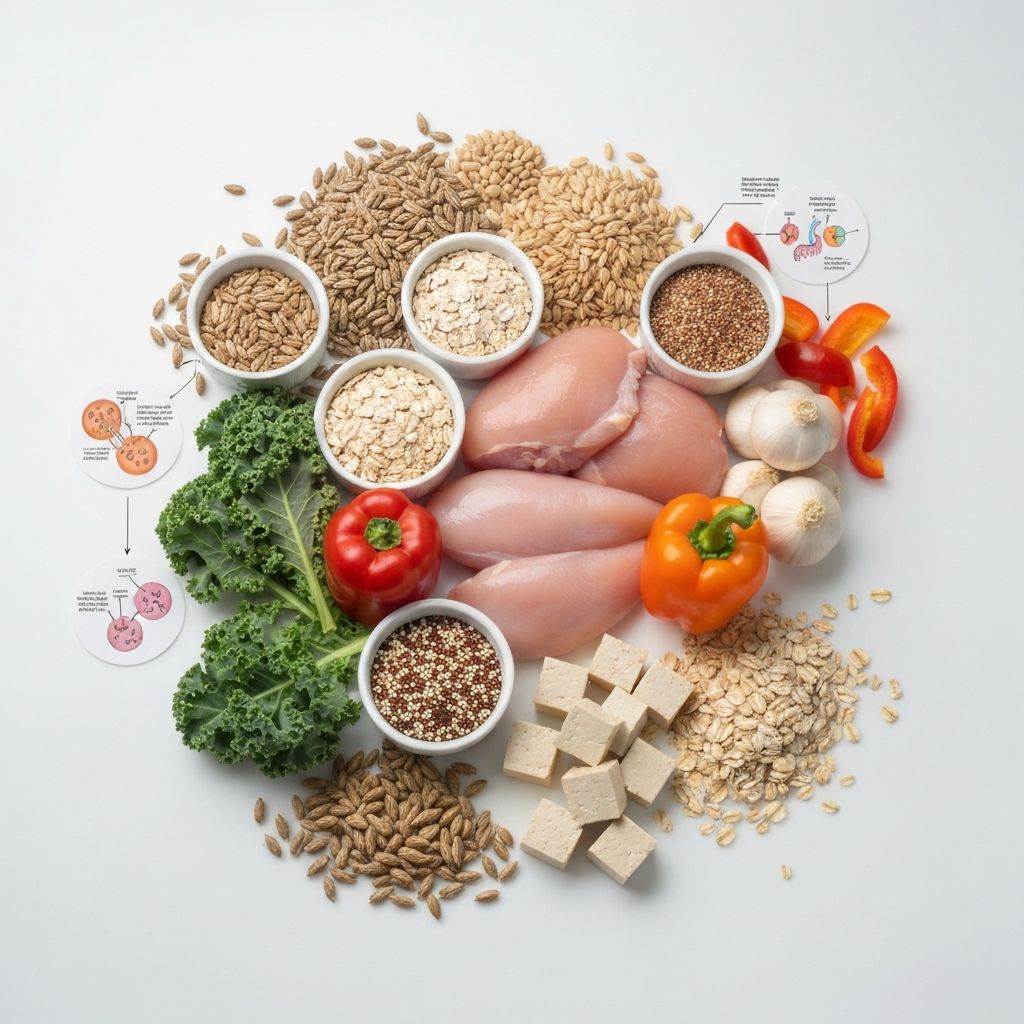
Balanced nutrition principles

Nutrient Timing Concepts

The timing of nutrient consumption has been a subject of significant research interest in nutritional science. While traditional advice often emphasizes eating at specific times, current evidence suggests that meal frequency and timing affect individuals differently depending on their unique metabolic characteristics, lifestyle patterns, and preferences.

Research demonstrates that the body's response to food intake varies throughout the day, influenced by circadian rhythms—the internal biological clock that regulates numerous physiological processes. Some individuals maintain stable energy and metabolic function with three meals daily, while others experience better physiological stability with more frequent smaller meals.

Rather than prescriptive rules about meal timing, the evidence-based approach emphasizes consistency, nutritional adequacy, and choosing patterns that support sustained energy levels and overall wellbeing for each individual's unique circumstances.

Micronutrients and Energy Pathways

Micronutrients—vitamins and minerals found in food in small quantities—play critical roles in the enzymatic pathways that convert macronutrients (carbohydrates, proteins, and fats) into usable energy. These micronutrients function as essential cofactors in metabolic reactions.

Vitamin B complex vitamins including B1, B2, B3, B5, B6, B12, and folate serve as coenzymes in energy metabolism. They facilitate the breakdown of glucose and amino acids and support the synthesis of ATP, the primary energy currency of cells.

Iron is essential for oxygen transport and utilization within mitochondria, the cellular structures responsible for energy production. Magnesium activates hundreds of enzymes involved in energy metabolism. Zinc supports protein synthesis and metabolic function. Copper facilitates electron transport in mitochondrial respiration.

Adequate micronutrient status ensures efficient metabolic function and the body's ability to process nutrients effectively. Deficiencies in key micronutrients can impair metabolic efficiency and energy production.

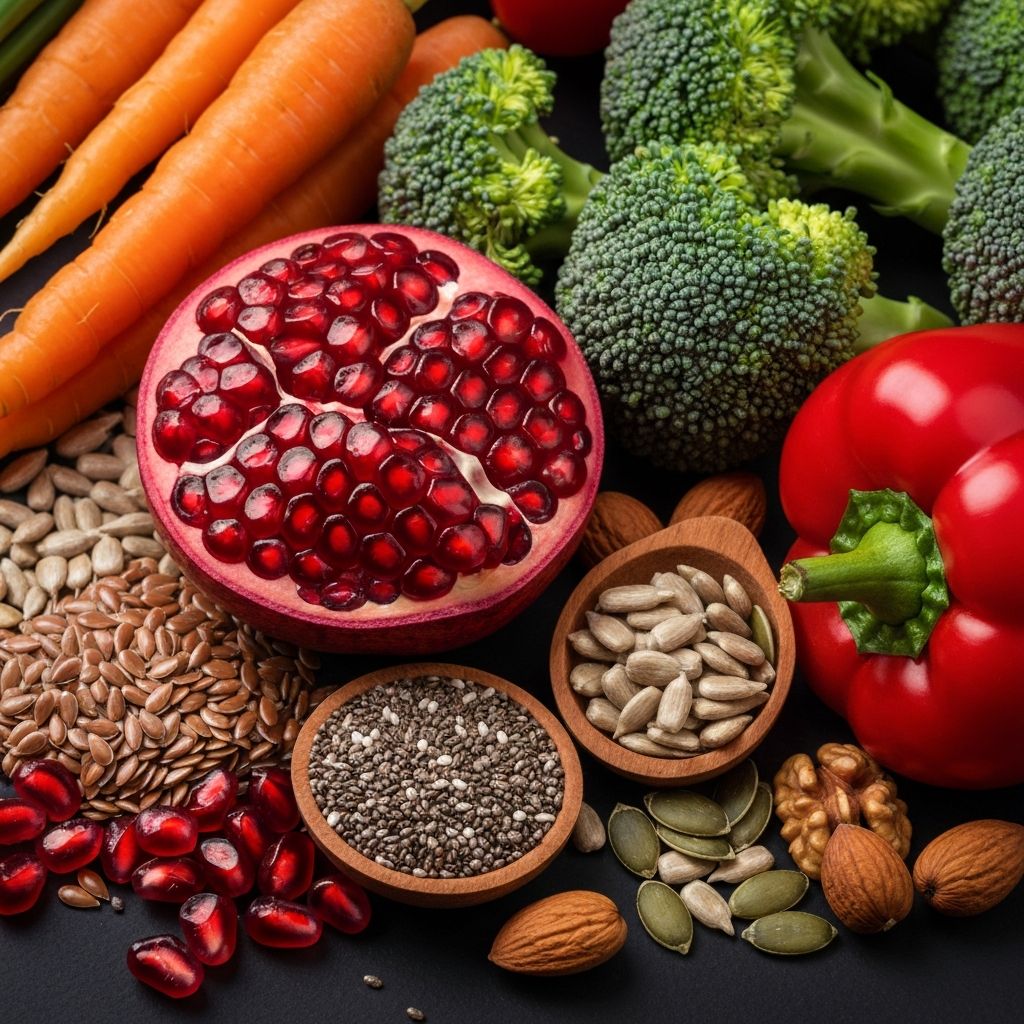
Nutrient-rich foods close-up

Appetite Regulation Mechanisms

Appetite and satiety are regulated by complex physiological signaling systems involving hormones, neural pathways, and sensory inputs. Understanding these mechanisms provides insight into the biological basis of eating behaviour and food selection.

Key Hormonal Regulators

  • Ghrelin - Often called the "hunger hormone," ghrelin is produced in the stomach and signals the brain that nutritional intake is needed. Levels typically rise before meals and decline after eating.
  • Leptin - Produced by adipose (fat) tissue, leptin signals to the brain information about energy stores and satiety. It influences long-term energy balance regulation.
  • Peptide YY - This hormone is released from the intestines in response to nutrient intake and promotes feelings of fullness and satiety.
  • Cholecystokinin (CCK) - Released during fat and protein digestion, CCK promotes satiety and signals meal completion to the brain.
  • Insulin - Beyond its role in glucose regulation, insulin influences satiety signaling and energy balance at the hypothalamic level.
  • GLP-1 - This intestinal hormone regulates blood glucose and promotes satiety, particularly in response to nutrient intake.

These hormonal signals interact with neural pathways, sensory inputs (taste, smell, texture), and cognitive factors (learned preferences, portion sizes, environmental cues) to regulate appetite and food intake patterns. Individual variations in hormone sensitivity and signaling efficiency contribute to differences in appetite regulation between people.

Food Processing and Nutrient Bioavailability

The processing of food—from cooking to industrial processing—affects how the body accesses and utilizes nutrients. Understanding these effects without value judgment provides insight into nutritional science.

Whole foods contain complex food matrices where nutrients exist within cellular structures, fiber, and associated compounds. During digestion, the body must break down these structures to access nutrients. Whole grain cereals, for example, contain fiber, vitamins, minerals, and phytochemicals in their original configuration.

Processed foods typically have been refined, removing some components (such as fiber) while sometimes adding others (such as added nutrients through fortification). Industrial processing can affect nutrient bioavailability—the degree to which ingested nutrients are absorbed and utilized by the body.

Thermal processing (heating) can enhance the bioavailability of some nutrients—for example, cooking tomatoes increases lycopene bioavailability—while potentially reducing others. Fermentation and sprouting can modify nutrient profiles and bioavailability.

The relationship between food processing and nutritional outcomes is complex and depends on specific nutrients, processing methods, and individual factors. Both whole foods and certain processed foods provide nutritional value; the nutritional significance of food choices depends on overall dietary patterns and individual needs.

Whole foods and fresh ingredients

Physical Activity Categories and Metabolic Response

Physical activity encompasses diverse movement patterns that produce different metabolic and physiological responses. Understanding these categories provides context for how various activities affect energy expenditure and metabolic function.

Aerobic activities (walking, running, cycling, swimming) increase heart rate and oxygen utilization, primarily utilizing carbohydrate and fat oxidation for energy production. Regular aerobic activity enhances cardiovascular function and mitochondrial efficiency.

Resistance training (weight training, bodyweight exercises) creates mechanical tension that stimulates protein synthesis and maintains muscle tissue. Muscle tissue is metabolically active and contributes to overall energy expenditure. Resistance training also affects hormonal responses and metabolic function.

Flexibility and balance activities (yoga, Pilates, tai chi) improve mobility, proprioception, and muscle control while affecting nervous system function and potentially supporting metabolic health.

Daily movement (occupational activities, spontaneous movement, household tasks) contributes significantly to total energy expenditure and metabolic health. Individual activity patterns vary widely based on occupation, lifestyle, and preferences.

The metabolic and physiological benefits of physical activity accumulate through consistent engagement over time. Individual responses to various activity types differ based on genetics, training status, age, and health status.

Diverse physical activities

Featured Educational Articles

Explore detailed explanations of nutrition science concepts

Balanced meal composition

Human Energy Expenditure

Components and factors affecting total daily energy expenditure

Read the explanation →
Whole grains and carbohydrate sources

Carbohydrate Metabolism

Understanding glucose pathways and energy utilization

Explore this concept →
Healthy fat sources

Lipid Digestion and Transport

How the body processes and utilizes dietary fats

Dive deeper →
Protein-rich foods

Protein Turnover and Amino Acids

Protein dynamics and amino acid utilization in the body

Continue reading →
Fiber-rich foods

Gut Microbiota and Nutrients

How microbiota influences nutrient absorption and health

See related insights →
Circadian meal timing

Circadian Rhythms and Eating

Understanding biological timing in eating patterns

Explore details →

Nutrition Science Glossary

Bioavailability
The proportion of an ingested nutrient that is absorbed and available for use by the body. Affected by nutrient form, food matrix, digestive function, and individual factors.
Thermic Effect of Food (TEF)
The energy required by the body to digest, absorb, and process nutrients. Also called the postprandial thermogenesis or diet-induced thermogenesis, representing approximately 10% of daily energy expenditure.
Basal Metabolic Rate (BMR)
The amount of energy expended at rest to maintain basic physiological functions including breathing, circulation, protein synthesis, and maintaining body temperature.
Circadian Rhythm
The internal biological clock that regulates approximately 24-hour cycles in physiology and behaviour. Influences hormone secretion, body temperature, appetite, and sleep-wake cycles.
Insulin Resistance
A condition in which cells become less responsive to insulin signaling, requiring higher insulin levels to achieve glucose regulation. Associated with various metabolic conditions.
Macronutrients
Nutrients required by the body in large quantities: carbohydrates, proteins, and fats. Primary sources of energy and building materials for body structures.
Micronutrients
Vitamins and minerals required by the body in smaller quantities. Essential cofactors in enzymatic reactions and metabolic processes.
Satiety
The feeling of fullness and satisfaction after food consumption, regulated by hormonal, neural, and sensory signals that influence appetite and food intake patterns.

Frequently Asked Questions

What is metabolism and how does it work?
Metabolism refers to the sum of all biochemical processes occurring in the body to convert food into energy and support physiological functions. It involves breaking down nutrients (catabolism) to produce ATP energy, and building new structures (anabolism) using amino acids and other building blocks. The efficiency of these processes varies between individuals based on age, genetics, body composition, and activity levels.
How do different macronutrients affect the body differently?
Carbohydrates are broken down into glucose, which serves as the primary energy source for the brain and muscles. Proteins are broken down into amino acids, which are essential for muscle protein synthesis, enzyme production, and hormone synthesis. Fats are utilized for hormone production, cell membrane structure, vitamin absorption, and serve as a concentrated energy source. Each macronutrient produces different hormonal responses and has distinct metabolic pathways.
Can meal timing significantly affect metabolism?
Meal timing affects circadian hormonal patterns and energy availability throughout the day. The body's hormonal responsiveness to food varies with circadian rhythms. However, current evidence suggests that consistency and total nutrient intake matter more than specific meal timing for most people. Individual responses vary based on activity patterns, preferences, genetics, and lifestyle factors.
What role does gut microbiota play in nutrition?
Gut microbiota—the trillions of microorganisms in the digestive system—influence nutrient absorption, vitamin synthesis (especially B vitamins), immune function, and hormone production. Different dietary patterns support different microbiota compositions. Dietary fiber particularly supports beneficial bacterial growth and short-chain fatty acid production, which affects metabolic health.
How do vitamins and minerals support metabolism?
Vitamins and minerals function as cofactors in enzymatic reactions that produce energy from macronutrients. B vitamins facilitate energy metabolism pathways. Minerals like magnesium, zinc, iron, and chromium are essential for specific metabolic processes. Adequate micronutrient status ensures efficient nutrient processing and energy production. Deficiencies impair metabolic efficiency and cellular function.
What is the relationship between physical activity and metabolism?
Physical activity increases immediate energy expenditure during the activity. Regular training enhances mitochondrial function and metabolic efficiency. Resistance training maintains muscle mass, which is metabolically active tissue. Different activity types produce different hormonal and metabolic responses. Consistent physical activity influences overall metabolic function and energy utilization patterns over time.

Explore Nutrition Science Further

Browse our collection of detailed articles and educational resources explaining the science of nutrition and metabolism

View all articles

Important Notice

Educational content only. No promises of outcomes. This website provides general educational information on nutrition science and metabolic research. Content is presented for informational purposes and represents current scientific understanding. Individual circumstances vary widely, and this information does not constitute personal medical or nutritional advice. Professional consultation is recommended for individual health matters.